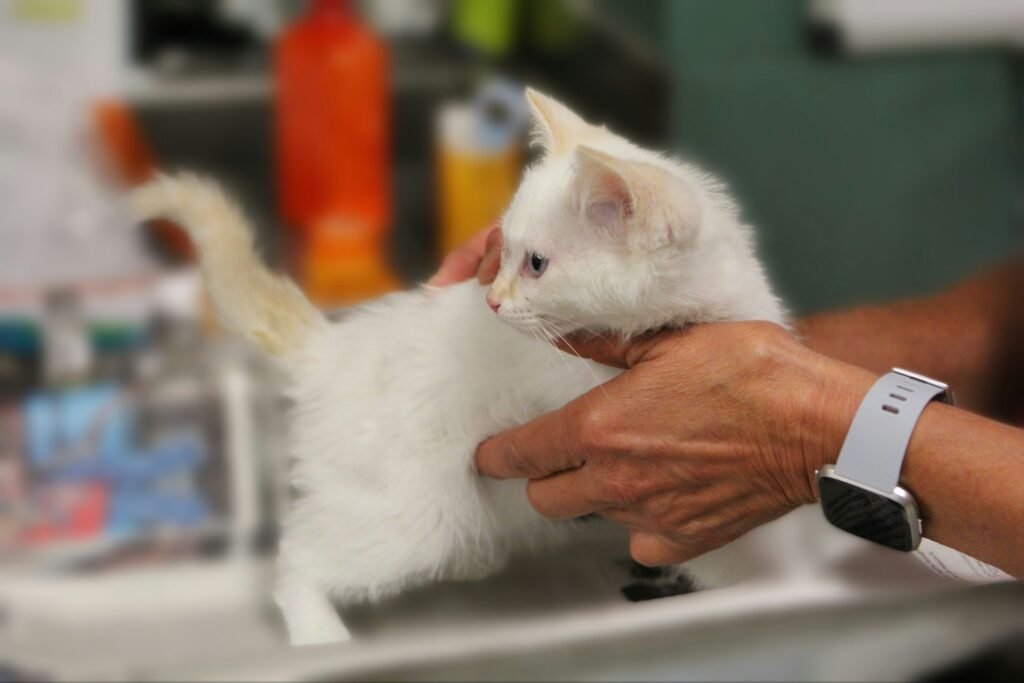

As loving pet parents, we want nothing more than to keep our furry family members safe and healthy. While we often focus on obvious hazards like busy roads or toxic foods, many dangerous threats to our pets are hiding in plain sight within our own homes. These everyday household items and overlooked areas can pose serious risks to curious cats, playful puppies, and other beloved companions.
In this comprehensive guide, we’ll uncover seven hidden dangers that could be lurking in your home right now, threatening your pet’s well being. By identifying these risks and taking simple preventive measures, you can create a safer environment where your four-legged friends can thrive.
Why Pet-Proofing Your Home is More Important Than Ever
Recent veterinary studies show that household accidents account for over 35% of emergency pet visits. Many of these incidents could be prevented with proper awareness and simple safety modifications. Unlike outdoor hazards that we can somewhat control through leashes and supervision, indoor dangers often catch pet owners off guard because they seem so harmless to humans.
The reality is that our pets experience the world differently than we do. What appears safe to us might be incredibly dangerous to an animal with different instincts, curiosities, and physical vulnerabilities.
1. Household Cleaning Products and Chemicals: The Silent Killers
One of the most dangerous hidden threats in any home is the collection of cleaning supplies stored under sinks, in laundry rooms, or cleaning closets. Even products marketed as “natural” or “eco-friendly” can contain ingredients that are toxic to pets.
Common Dangerous Cleaning Products:
- Bleach and ammonia-based cleaners – Can cause severe respiratory distress and chemical burns
- Toilet bowl cleaners – Often contain hydrochloric acid that can be fatal if ingested
- Oven cleaners – Highly caustic and can cause severe internal burns
- Fabric softeners and dryer sheets – Contain cationic detergents that can cause ulcers and seizures
- Dishwasher detergent pods – Highly concentrated and attractive to pets due to their colorful appearance
Warning Signs of Chemical Poisoning in Pets:
- Excessive drooling or foaming at the mouth
- Difficulty breathing or wheezing
- Vomiting or diarrhea
- Lethargy or weakness
- Seizures or tremors
For immediate assistance with pet poisoning emergencies, contact the veterinary toxicologists.
Pet-Safe Prevention Tips:
- Install childproof locks on all cabinets containing chemicals
- Store cleaning products in high, enclosed cabinets
- Switch to pet-safe cleaning alternatives like white vinegar and baking soda
- Never leave cleaning products unattended while in use
2. Essential Oils and Air Fresheners: When “Natural” Becomes Dangerous
The growing popularity of essential oils and aromatic home products has created a new category of pet hazards that many owners don’t recognize. While these products make our homes smell wonderful, they can be incredibly toxic to our pets, especially cats.
Most Dangerous Essential Oils for Pets:
- Tea tree oil – Can cause weakness, tremors, and liver damage
- Eucalyptus – Highly toxic to cats, can cause drooling and difficulty breathing
- Peppermint – Can cause liver damage and central nervous system depression
- Citrus oils (lemon, orange, lime) – Can cause vomiting, diarrhea, and liver toxicity
- Ylang-ylang – Can cause difficulty breathing and weakness
Hidden Sources of Dangerous Aromatics:
- Plugin air fresheners and wax melters
- Reed diffusers left at pet height
- Scented candles with synthetic fragrances
- Potpourri and sachets
- Cleaning products with added essential oils
Creating a Pet-Safe Aromatic Environment:
- Use pet-safe alternatives like fresh herbs (basil, mint) in hanging planters
- Open windows for natural air circulation
- Choose unscented or naturally scented products
- Keep all essential oil products in sealed containers away from pets
3. Electrical Cords and Outlets: The Shocking Truth About Electrocution Risks
Electrical hazards pose a significant threat, especially to young pets who love to chew and explore. Electrocution can cause severe burns, cardiac arrest, and even death. What makes this danger particularly insidious is that it’s present in every room of our homes.
High-Risk Electrical Areas:
- Phone and laptop chargers – Often left plugged in at floor level
- Holiday decorations – Extension cords and light strings are especially tempting
- Entertainment centers – Multiple cords clustered together behind TVs and gaming systems
- Home office areas – Computer cables and power strips within reach
- Kitchen appliances – Small appliance cords that dangle from counters
Signs of Electrical Injury in Pets:
- Burns around the mouth or paws
- Difficulty breathing or irregular heartbeat
- Tremors or seizures
- Collapse or unconsciousness
- Burns or singed hair
Electrical Safety Solutions:
- Use cord protectors or covers on all accessible cables
- Install outlet covers on unused electrical outlets
- Secure loose cords with cord organizers or tape them to walls
- Unplug appliances when not in use
- Create charging stations in areas pets can’t access
4. Houseplants: Beautiful but Potentially Deadly Green Hazards
Many popular houseplants that brighten our homes can be seriously toxic to our pets. The danger is compounded by the fact that pets often see plants as toys or snacks, making them likely to nibble on leaves or dig in soil.
Most Dangerous Common Houseplants:
- Lily species (Easter, Tiger, Asiatic) – Extremely toxic to cats, can cause kidney failure
- Sago Palm – All parts are poisonous, especially seeds; can cause liver failure
- Oleander – Highly toxic, can cause heart problems and death
- Philodendrons and Pothos – Cause mouth irritation and difficulty swallowing
- Snake Plants – Can cause nausea, vomiting, and diarrhea
Additional Plant-Related Hazards:
- Fertilizers and plant food can cause poisoning
- Pesticides used on plants pose additional toxicity risks
- Decorative pebbles or mulch can cause choking or intestinal blockage
- Standing water in plant saucers can harbor bacteria
Creating a Pet-Safe Plant Environment:
- Research every plant before bringing it home
- Place potentially harmful plants in hanging baskets or high shelves
- Choose pet-safe alternatives like spider plants, Boston ferns, or pet grass
- Use natural pest control methods instead of chemical pesticides
5. Small Objects and Choking Hazards: The Invisible Threat of Everyday Items
Our homes are filled with small objects that pose choking and intestinal blockage risks to curious pets. These items are often overlooked because they seem harmless to humans, but they can be life-threatening to animals.
Common Household Choking Hazards:
- Hair ties and rubber bands – Extremely appealing to cats, can cause intestinal blockage
- Children’s toys and game pieces – Small parts that can be easily swallowed
- Coins and jewelry – Often left on nightstands or dressers
- Sewing supplies – Buttons, needles, pins, and thread
- Office supplies – Paper clips, thumbtacks, and staples
High-Risk Areas for Small Object Hazards:
- Bedrooms with jewelry and accessories
- Craft rooms and home offices
- Children’s playrooms
- Laundry areas with buttons and small clothing items
- Kitchens with twist ties and bottle caps
Warning Signs of Choking or Blockage:
- Pawing at the mouth or face
- Excessive drooling or gagging
- Difficulty breathing or wheezing
- Vomiting or loss of appetite
- Lethargy or unusual behavior
Prevention Strategies:
- Conduct regular “pet sweeps” of your home to remove small objects
- Store craft and office supplies in sealed containers
- Keep jewelry and accessories in closed drawers or boxes
- Teach children to put away small toys after playing
6. Temperature Extremes and Ventilation Issues: The Climate Dangers We Don’t See
While we often think about temperature dangers in cars or outdoor settings, our homes can also present serious climate-related risks to our pets. Poor ventilation, heating malfunctions, and closed-off spaces can create deadly situations.
Hidden Temperature Hazards:
- Attics and basements – Can become extremely hot or cold
- Sunrooms and enclosed porches – Can overheat quickly, even in mild weather
- Laundry rooms – Heat from dryers can create dangerous conditions
- Bathrooms – Steam and humidity from hot showers can cause breathing problems
- Cars in garages – Even attached garages can become dangerously hot
Ventilation-Related Risks:
- Blocked air vents can create dead air zones
- Malfunctioning HVAC systems can cause temperature fluctuations
- Poor air circulation can concentrate harmful fumes
- Humidity extremes can affect respiratory health
Climate Safety Measures:
- Install temperature monitors in areas where pets spend time
- Ensure proper ventilation in all rooms
- Create escape routes from potentially dangerous areas
- Never leave pets in closed rooms with poor air circulation
- Regularly maintain heating and cooling systems
7. Medication and Supplement Storage: The Prescription for Disaster
Human medications and supplements represent one of the most serious poisoning risks for pets. Even medications that are safe for humans can be deadly for animals, and many pets are attracted to pills because of their smell or coating.
Most Dangerous Common Medications for Pets:
- NSAIDs (ibuprofen, naproxen) – Can cause kidney failure and stomach ulcers
- Acetaminophen (Tylenol) – Extremely toxic to cats, can cause liver damage
- Antidepressants – Can cause serotonin syndrome and heart problems
- Sleep aids and anxiety medications – Can cause severe sedation and breathing problems
- Blood pressure medications – Can cause dangerous drops in blood pressure
Hidden Medication Hazards:
- Pills dropped on floors during handling
- Medications left on nightstands or counters
- Purses and bags containing medications
- Visitor medications brought into the home
- Expired medications not properly disposed of
Supplement Safety Concerns:
- Iron supplements can cause severe poisoning
- Vitamin D can cause kidney damage
- Xylitol-containing products can cause liver failure
- Herbal supplements may have unknown interactions
Medication Safety Protocol:
- Store all medications in locked cabinets or containers
- Never leave pills on counters or tables, even temporarily
- Clean up immediately if any medication is dropped
- Keep a list of emergency vet contacts near medication storage areas
- Dispose of expired medications through proper pharmacy programs
Creating Your Pet Safety Action Plan
Now that you’re aware of these seven hidden dangers, it’s time to take action. Creating a comprehensive pet safety plan doesn’t have to be overwhelming – it just requires systematic attention to each area of concern.
Weekly Home Safety Checklist:
- Secure all cleaning products and chemicals
- Check electrical cords for damage and proper storage
- Remove small objects from pet-accessible areas
- Inspect plants for toxicity and proper placement
- Verify medication storage security
- Test temperature and ventilation in pet areas
- Replace or remove dangerous air fresheners and scented products
Emergency Preparedness:
- Keep your veterinarian’s emergency contact information easily accessible
- Know the location of your nearest 24-hour emergency vet clinic
- Keep hydrogen peroxide on hand (only use under veterinary guidance)
- Have a pet first aid kit readily available
- Post the ASPCA Poison Control Center number: (888) 426-4435
When to Seek Immediate Veterinary Care
Recognizing the signs of poisoning or injury is crucial for every pet parent. If you notice any of these symptoms, contact your veterinarian immediately:
- Difficulty breathing or rapid breathing
- Excessive drooling or foaming at the mouth
- Vomiting or diarrhea, especially if bloody
- Seizures, tremors, or loss of coordination
- Extreme lethargy or loss of consciousness
- Pale or blue gums
- Difficulty walking or standing
Remember, when it comes to potential poisoning or serious injury, it’s always better to err on the side of caution and seek professional help.
Building Long-Term Pet Safety Habits
Creating a safe home environment for your pets isn’t a one-time task – it’s an ongoing commitment that requires regular attention and updates. As your pets age, their needs and vulnerabilities may change, and new products or situations in your home may create fresh risks.
Monthly Safety Reviews:
- Walk through your home from your pet’s perspective
- Check for new hazards that may have been introduced
- Update your pet safety supplies and emergency information
- Review and practice emergency procedures with family members
Seasonal Safety Considerations:
- Spring cleaning – Be extra cautious with cleaning product exposure
- Summer – Monitor temperature and ventilation more closely
- Fall decorations – Check holiday decorations for new hazards
- Winter – Be aware of heating-related dangers and indoor air quality
Conclusion: Your Pet’s Safety is in Your Hands
Your home should be a sanctuary where your beloved pets can live, play, and rest without fear of hidden dangers. By identifying and addressing these seven common household hazards, you’re taking crucial steps to protect your furry family members from preventable accidents and injuries.
Remember that pet safety isn’t about creating a sterile environment – it’s about being aware, prepared, and proactive. The small changes you make today could save your pet’s life tomorrow. Your vigilance and care create the foundation for a long, healthy, and happy life together.
Take action today by conducting a thorough safety audit of your home. Your pets depend on you to keep them safe, and with the knowledge you now have, you’re well-equipped to provide them with the secure, loving environment they deserve.
Have you discovered any hidden dangers in your home? Share your pet safety tips and experiences in the comments below to help other pet parents create safer homes for their beloved companions.
For more pet care guidance and safety tips, explore our comprehensive resources on creating stress-free veterinary experiences and maintaining your pet’s overall health and wellbeing. Remember, a safe pet is a happy pet!
Related Articles: