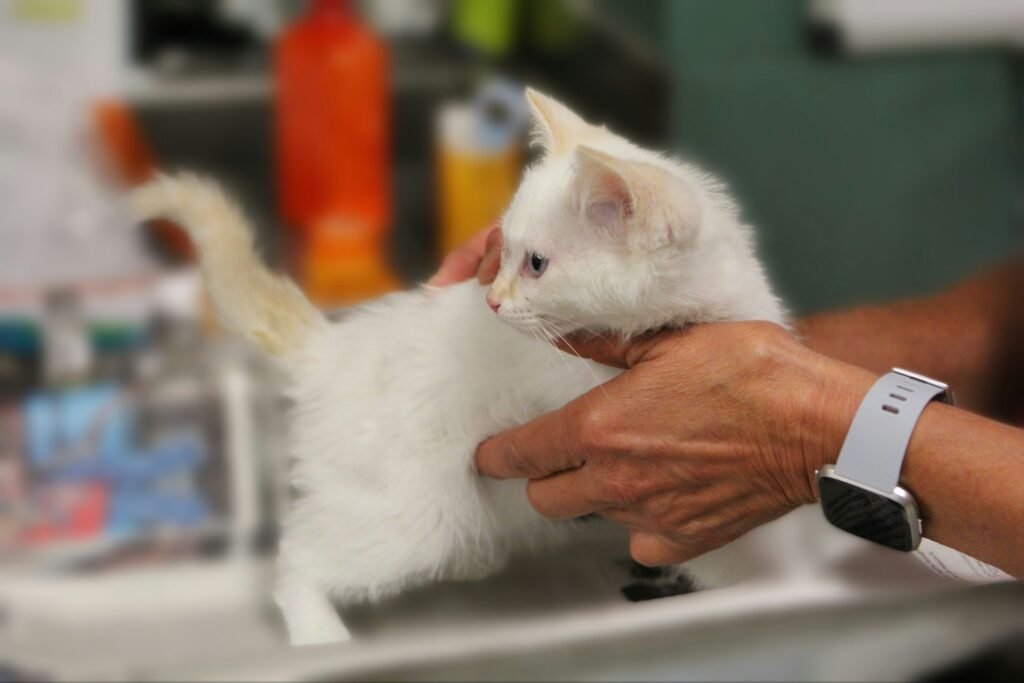

Thinking about adopting a feline companion? While cats bring immeasurable joy and companionship to our lives, understanding the financial commitment involved in cat ownership is crucial for responsible pet parenting. Therefore, this comprehensive guide breaks down all cat ownership expenses, helping you budget effectively for your furry friend’s lifetime care.
Initial Cat Adoption and Setup Costs
Adoption Fees and Initial Veterinary Care
First and foremost, the journey of cat ownership begins with adoption costs, which typically range from $50 to $300 depending on whether you adopt from a shelter, rescue organization, or purchase from a breeder. However, purebred cats can cost significantly more, sometimes reaching $1,000 to $3,000.
Additionally, your new cat will need immediate veterinary attention, including:
- Initial health examination: $50-$100
- Vaccinations (FVRCP, rabies): $75-$150
- Spaying/neutering (if not already done): $200-$500
- Microchipping: $25-$50
- Deworming and flea treatment: $30-$80
Essential Cat Supplies and Equipment
Next, setting up your home for a new cat requires several one-time purchases:
Feeding Essentials:
- Food and water bowls: $15-$50
- Automatic feeders (optional): $30-$150
Comfort and Safety Items:
- Cat carrier for transport: $30-$100
- Cat bed or blanket: $20-$80
- Cat scratching posts and trees: $25-$200
- Litter box and scoop: $15-$100
- Initial litter supply: $10-$25
Entertainment and Exercise:
- Cat toys and interactive puzzles: $20-$60
- Cat climbing furniture: $50-$300
Monthly Cat Care Expenses
Cat Food and Nutrition Costs
Most importantly, quality cat nutrition forms the foundation of feline health care. Monthly food expenses vary based on your cat’s age, size, and dietary needs:
- Premium dry cat food: $15-$30 per month
- Wet cat food (if feeding combination diet): $20-$40 per month
- Prescription diets for health conditions: $40-$80 per month
- Cat treats and supplements: $5-$15 per month
Furthermore, investing in high-quality cat nutrition can prevent costly health issues later, making it a wise long-term investment in your pet’s wellbeing.
Cat Litter and Hygiene Supplies
In addition to food costs, maintaining proper feline hygiene requires consistent monthly expenses:
- Cat litter (clay, clumping, or natural): $15-$35 per month
- Litter box liners: $5-$10 per month
- Cleaning supplies for accidents: $5-$15 per month
- Cat grooming supplies (brushes, nail clippers): $5-$20 monthly average
Annual Cat Healthcare Costs
Routine Veterinary Care for Cats
Equally important, preventive healthcare is essential for maintaining your cat’s health and catching issues early. As highlighted in our previous post about regular vet checkups being essential for pet longevity, consistent veterinary care significantly impacts your cat’s quality of life and lifespan.
Annual routine care includes:
- Comprehensive physical examination: $100-$200
- Annual vaccinations and boosters: $80-$150
- Dental cleaning (every 2-3 years): $300-$800
- Blood work and health screening: $100-$300
- Parasite prevention (flea, tick, heartworm): $150-$400
Emergency Veterinary Expenses
Unfortunately, unexpected health issues can arise, leading to significant veterinary bills:
- Emergency clinic visits: $200-$500 per visit
- Diagnostic tests (X-rays, ultrasounds): $200-$600
- Surgery for common issues: $1,000-$5,000
- Chronic disease management: $500-$2,000 annually
Consequently, many cat owners find that emergency expenses represent the largest unexpected costs in their pet care budget.
Lifetime Cat Ownership Financial Planning
Age-Related Cat Care Costs
Notably, cat expenses change throughout their lifetime, requiring different budget considerations:
Kitten Stage (0-12 months):
- Higher veterinary costs for initial vaccinations and spaying/neutering
- Increased food costs due to growth requirements
- Additional kitten-proofing supplies
Adult Cat Stage (1-7 years):
- Stable routine care costs
- Potential for minor health issues
- Replacement of worn toys and equipment
Senior Cat Care (7+ years):
- Increased veterinary monitoring and health screenings
- Potential prescription medications
- Special senior cat food and supplements
- More frequent dental care
Therefore, budgeting should account for these changing needs throughout your cat’s lifetime.
Pet Insurance Considerations for Cat Owners
Meanwhile, pet insurance can help manage unexpected veterinary expenses. Monthly premiums typically range from $15-$50, depending on coverage level and your cat’s age. Consider factors like:
- Deductibles and coverage limits
- Pre-existing condition exclusions
- Wellness coverage options
- Claim reimbursement percentages
Additionally, comparing different insurance providers can help you find the best coverage for your specific needs and budget.
Money-Saving Tips for Cat Owners
Budget-Friendly Cat Care Strategies
Fortunately, smart cat owners can reduce expenses without compromising care quality:
Food and Supplies:
- Buy cat food and litter in bulk during sales
- Use manufacturer coupons and loyalty programs
- Compare prices at different pet supply retailers
- Consider store brands for non-food items
Healthcare Savings:
- Maintain regular preventive care to avoid costly emergencies
- Look for low-cost vaccination clinics
- Keep your cat indoors to reduce injury and disease risk
- Maintain proper dental hygiene to prevent expensive procedures
DIY Cat Care and Grooming
Similarly, learning basic cat care skills can save money:
- Regular at-home grooming and nail trimming
- Basic first aid knowledge
- Proper nutrition management
- Environmental enrichment using household items
As a result, many routine care tasks can be handled at home, reducing professional service costs.
Regional Cost Variations in Cat Ownership
Furthermore, cat ownership costs vary significantly by location:
- Urban areas: Higher veterinary and boarding costs
- Rural areas: Lower service costs but potentially limited veterinary options
- Regional differences: Some states have higher average pet care expenses
Therefore, research local costs in your area for accurate budgeting.
The True Value of Cat Companionship
Although the financial commitment of cat ownership is substantial—typically ranging from $1,000-$2,500 annually—the emotional benefits and companionship cats provide are immeasurable. Moreover, proper financial planning ensures you can provide excellent care throughout your feline friend’s lifetime.
Conclusion: Planning for Responsible Cat Ownership
In conclusion, understanding the complete cost breakdown of cat ownership helps you make informed decisions and provide the best possible care for your feline companion. From initial adoption fees to lifetime healthcare costs, budgeting for cat ownership expenses ensures you’re prepared for both routine care and unexpected situations.
Furthermore, remember that investing in quality nutrition, preventive healthcare, and proper supplies from the beginning can actually reduce long-term costs while improving your cat’s quality of life. Ultimately, the joy and companionship a cat brings to your life makes every dollar spent worthwhile.