
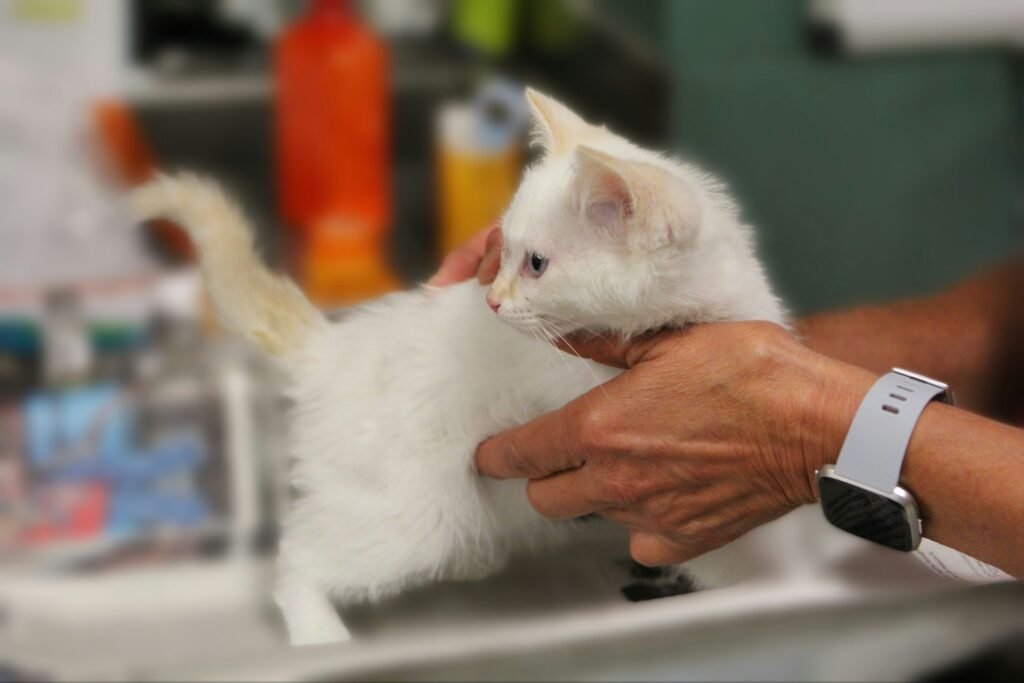
Sarah stared at her 8-year-old golden retriever, Max, who had been acting a bit sluggish lately. “He’s just getting older,” she rationalized, postponing his annual checkup for the third time. Six months later, an emergency visit revealed advanced kidney disease that could have been managed effectively if caught earlier. This heartbreaking scenario plays out in countless homes every day, yet it’s entirely preventable.
Here’s a sobering reality: Recent pet health data shows that many serious conditions in dogs and cats go undiagnosed for months or even years. Life expectancy has risen by as much as 230% for pets in some nations thanks to improved veterinary care and preventative measures. As we explored in our Top 10 Pet Wellness Trends to Watch in 2025, innovations like GPS trackers with health monitoring and pet telehealth are revolutionizing how we approach preventative care. Yet too many pet parents still treat vet visits as optional rather than essential.
At Pawscareguide.com, we believe that understanding why regular vet checkups for dogs are important and recognizing the benefits of routine vet visits for cats can be the difference between a pet living 10 years versus 15+ years. This comprehensive guide will help you understand how preventative care transforms your furry family member’s health trajectory and provide practical advice for making the most of every veterinary visit.
Why Pet Parents Skip Vet Checkups (And Why This Thinking is Dangerous)
Let’s address the elephant in the room: many pet owners delay or skip routine veterinary care. The reasons are understandable but ultimately misguided:
Cost concerns top the list, with pet parents worried about expensive bills for seemingly healthy animals. Time constraints from busy schedules make it easy to postpone “non-urgent” appointments. Perhaps most dangerously, many assume that if their pet is eating, playing, and seems happy, everything must be fine.
However, skin allergies were the most common health claim for dogs, and intestinal upset was the most common for cats in 2023, indicating that many health issues are already manifesting but may not appear serious to untrained eyes. The concerning reality is that pets instinctively hide illness and pain as a survival mechanism inherited from their wild ancestors.
The financial irony is striking: preventative care costs a fraction of emergency treatment. A routine wellness exam might cost $150-300, while treating advanced diseases can easily reach thousands. More importantly, early intervention often means better outcomes and longer, more comfortable lives for our beloved companions.
Early Detection: The Life-Saving Power of Routine Veterinary Care
Understanding how vet checkups improve pet longevity begins with recognizing that veterinarians are trained to spot subtle signs that escape even the most attentive pet parents. During routine examinations, vets can identify early indicators of serious conditions that might not become obvious to owners until they’re advanced and more difficult to treat.
Consider dental disease, which affects over 80% of dogs and cats by age three. What starts as mild tartar buildup can progress to painful infections, tooth loss, and even heart and kidney damage as bacteria enter the bloodstream. During a routine checkup, your veterinarian can catch dental issues early and recommend professional cleaning or at-home care that prevents serious complications.
Real-world example: Luna, a 6-year-old Maine Coon, seemed perfectly healthy to her family. During her annual exam, blood work revealed elevated kidney values that wouldn’t have caused noticeable symptoms for months. With early dietary changes and monitoring, Luna’s kidney function stabilized, and she continued living comfortably for years. Without that routine screening, irreversible kidney damage would have progressed silently.
Subtle Warning Signs You Might Miss
Veterinarians are trained to recognize early warning signs that pet parents often overlook:
- Slight changes in appetite or water consumption that might indicate diabetes, kidney issues, or dental pain
- Minor behavioral shifts like sleeping more or playing less, which could signal arthritis or other chronic conditions
- Subtle weight changes that may indicate metabolic disorders or early-stage diseases
- Heart murmurs or irregular breathing patterns during the physical exam that suggest cardiovascular issues
- Small lumps or bumps that could be benign or require immediate attention
The key insight is that early detection of pet health issues allows for intervention when treatments are most effective and least invasive. Many conditions that seem overwhelming in advanced stages are highly manageable when caught early.
Preventative Care: Your Pet’s Insurance Policy for a Longer Life
Preventatives pet care for dogs and cats encompasses much more than just annual exams. It’s a comprehensive approach that includes vaccinations, parasite prevention, dental care, and regular health monitoring that collectively extends and improves your pet’s quality of life.
Vaccination protocols protect against serious, often fatal diseases. While indoor pets face lower exposure risks, they’re not immune to threats. Rabies, for instance, remains a legal requirement in most areas and a fatal disease with no cure. Core vaccines for dogs protect against distemper, hepatitis, parvovirus, and parasites, while cats need protection against panleukopenia, calicivirus, and herpesvirus.
Parasite prevention deserves special attention: Nearly 30% of pet owners don’t use heartworm prevention medicine, leaving their pets vulnerable to this potentially fatal condition. Heartworms, transmitted by mosquitoes, can cause serious heart and lung damage. The good news? Prevention is simple, safe, and affordable compared to treatment, which is expensive, risky, and not always successful.
Debunking the “Indoor Pet” Myth
Many cat owners believe indoor pets don’t need regular veterinary care. This misconception can be dangerous. Indoor cats still require:
- Annual vaccines (some diseases can be brought in on shoes or clothing)
- Regular parasite screening (fleas can hitch rides indoors)
- Dental care (indoor cats often develop dental disease)
- Weight and behavioral monitoring (indoor cats are prone to obesity and stress-related issues)
Evidence-based benefits of consistent preventative care include longer lifespans, fewer emergency situations, better quality of life during senior years, and significantly lower lifetime healthcare costs. Pets receiving regular preventative care also tend to maintain better relationships with their veterinary teams, reducing stress during necessary treatments.
Building Your Pet’s Health Baseline: The Foundation of Longevity
Understanding how often should pet get vet checkups depends on age, breed, and existing health conditions, but all dogs should have a veterinary examination at least annually. For many dogs, more frequent visits may be appropriate, and the same applies to cats. Senior pets (over 7-8 years) often benefit from biannual visits.
Regular veterinary visits create a comprehensive health record that tracks changes over time. This baseline becomes invaluable for detecting subtle shifts that might indicate developing problems. Weight fluctuations, changes in heart rate, blood pressure variations, and laboratory values all tell a story when viewed as trends rather than isolated snapshots.
Essential Questions to Ask Your Veterinarian
Maximize each visit by preparing thoughtful questions:
- “What’s normal for my pet’s breed and age?”
- “Are there specific health risks I should watch for?”
- “How can I optimize my pet’s diet and exercise routine?”
- “What signs would indicate I should call between visits?”
- “Are there preventative measures specific to my pet’s lifestyle?”
What to Expect During a Comprehensive Checkup
A thorough veterinary examination typically includes:
Physical Assessment: Complete nose-to-tail examination checking eyes, ears, mouth, heart, lungs, abdomen, lymph nodes, and skin condition. Weight and body condition scoring help track nutritional status.
Diagnostic Screening: Blood work panels check organ function, screen for infections, and establish baseline values. Urinalysis can detect early kidney problems, diabetes, and urinary tract issues.
Preventative Care Updates: Vaccination boosters, parasite prevention, dental assessment, and discussion of any behavioral changes or concerns.
Personalized Recommendations: Diet advice, exercise suggestions, environmental enrichment ideas, and specific care instructions based on your pet’s individual needs.
Overcoming Common Barriers to Regular Veterinary Care
Cost concerns are valid, but several strategies make veterinary care more affordable. Pet insurance plans cover routine care and emergency situations, often paying for themselves with just one significant health event. Many veterinary practices offer wellness plans that spread preventative care costs throughout the year. Low-cost clinics and mobile veterinary services provide basic care at reduced rates. As we discussed in our wellness trends guide, pet telehealth is expanding access to veterinary guidance for non-urgent concerns, making professional advice more accessible and affordable than ever.
Pet anxiety during veterinary visits can be addressed with preparation and patience. Familiarize your pet with car rides and handling at home. Bring favorite treats or comfort items to appointments. Consider pheromone sprays or calming supplements for particularly anxious pets. Some veterinarians offer fear-free certification and specialized techniques for anxious animals.
Time constraints can be managed by scheduling appointments during less busy periods, choosing veterinarians with flexible hours, or utilizing mobile veterinary services that come to your home.
Remember that preventative care consistently costs less than treating advanced diseases. A diabetic cat requires daily insulin, special food, and frequent monitoring that can cost thousands annually. Early detection through routine blood work might catch pre-diabetic changes that can be managed with diet and weight control.
The Science Behind Longer Pet Lives
Current research strongly supports the connection between regular veterinary care and increased pet longevity. Life expectancy has risen by as much as 230% for pets in some nations due to advances in veterinary medicine, improved nutrition, and increased awareness of preventative care importance.
Recent data from veterinary practices shows that pets receiving consistent preventative care live longer, experience fewer emergency health crises, and maintain better quality of life during their senior years. The combination of early disease detection, prompt treatment, and ongoing monitoring creates optimal conditions for healthy aging.
Professional veterinary organizations universally recommend annual examinations for healthy adult pets and increased frequency for seniors or pets with chronic conditions. These guidelines aren’t arbitrary—they’re based on extensive research showing that regular monitoring catches problems at their most treatable stages. This aligns perfectly with the wellness trends we’re seeing in 2025, where personalized and preventative care are becoming the gold standard.
Your Pet’s Health is an Investment, Not an Expense
Regular veterinary checkups represent one of the most impactful decisions you can make for your pet’s longevity and quality of life. Early detection saves lives, preventative care prevents serious problems, and consistent monitoring builds the health baseline necessary for optimal care throughout your pet’s lifetime.
The evidence is clear: pets receiving regular veterinary care live longer, healthier, happier lives. They experience fewer painful conditions, require fewer emergency interventions, and maintain stronger human-animal bonds through their senior years.
Take action today: If your pet’s annual exam is overdue, call your veterinarian to schedule an appointment. If you’re between veterinarians, research practices in your area and establish care before problems arise. If cost is a concern, investigate pet insurance options, wellness plans, or low-cost clinic alternatives.
Join the conversation: How often do you take your pet to the vet? Share your experiences and tips in the comments below—your insights might help other pet parents overcome barriers to regular care!
Ready to learn more about keeping your pet healthy? Check out our upcoming post: “How to Make Vet Visits Stress-Free for Your Pet” and don’t miss our comprehensive guide on Top 10 Pet Wellness Trends to Watch in 2025 where we explore innovations like smart health trackers, calming supplements, and telehealth options that complement regular veterinary care. Follow Pawscareguide.com for evidence-based pet care advice that helps your furry family members live their longest, healthiest lives.
Share this important message with fellow pet parents: “Regular vet checkups can add years to your pet’s life! 🐾 Every pet deserves preventative care. #PetHealthTips #PawsCareGuide”
Connect with us: Have questions about your pet’s health? Tag us in your pet care discussions using #PawsCareGuide—we love hearing from our community of dedicated pet parents!



Pingback: Stress-Free Vet Visits: Complete Guide for Anxious Pets - Your Pet Care Hub – Dog & Cat Tips at Paws Care Guide
Pingback: Why Your Dog’s Bad Breath Isn’t Just Smelly – It’s a Health Warning Sign - Your Pet Care Hub – Dog & Cat Tips at Paws Care Guide
Pingback: Real Cost of Cat Ownership: Complete Budget Breakdown 2025 - Your Pet Care Hub – Dog & Cat Tips at Paws Care Guide
Pingback: Cute Female Puppy Names: 400+ Perfect Girl Dog Names 2025