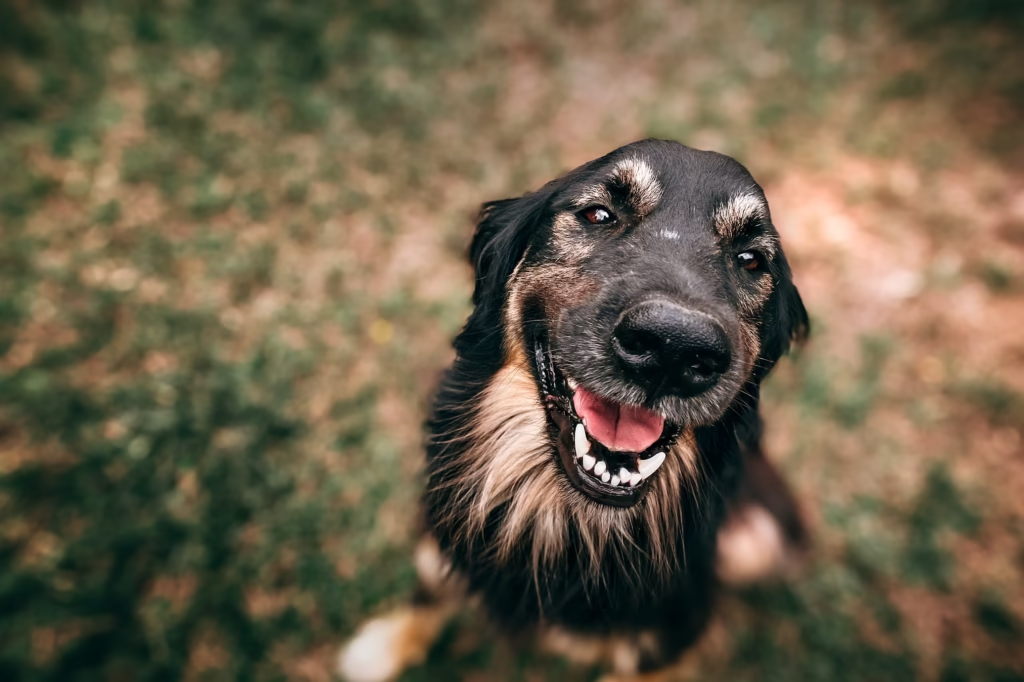
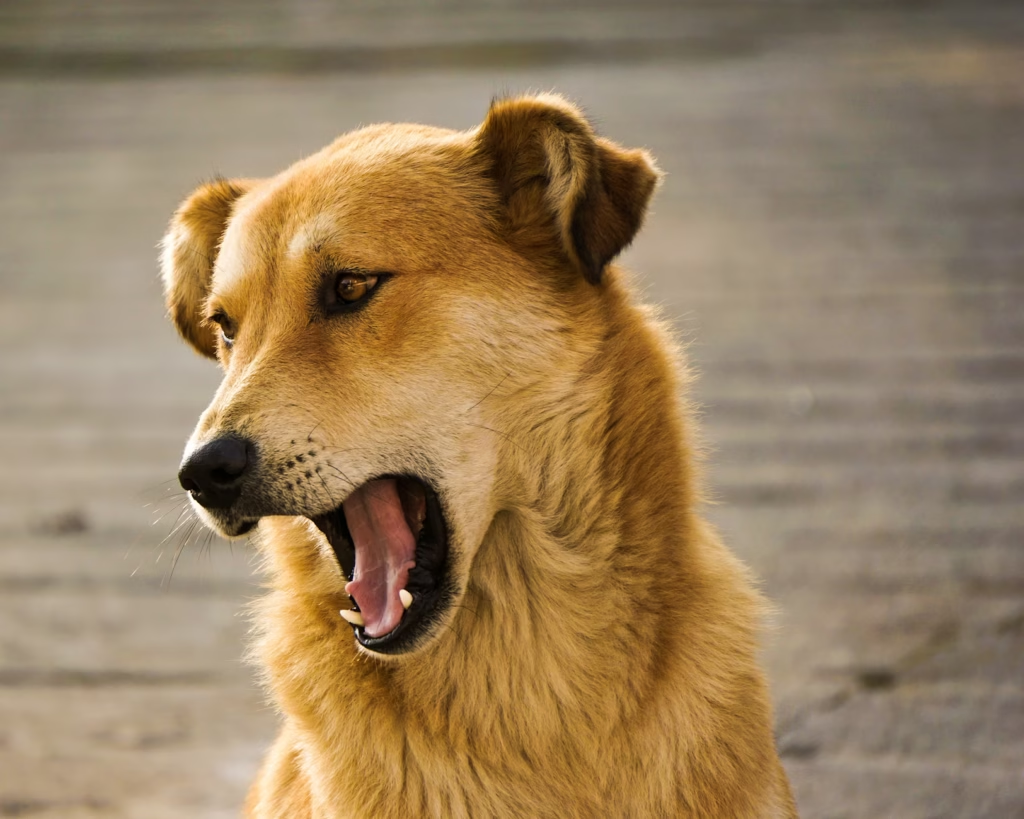
Have you ever leaned in for a sweet puppy kiss only to be hit with breath so foul it could knock you over? If you’re nodding your head right now, you’re definitely not alone. While we often joke about “doggy breath,” the truth is that persistent bad breath in dogs isn’t something to brush off (pun intended).
As a devoted dog parent myself, I used to think my Golden Retriever Max’s morning breath was just part of the package deal. That was until my vet opened my eyes to what dog halitosis really means – and trust me, it was a wake-up call I needed.
What Causes Bad Breath in Dogs? The Real Story Behind That Stinky Smell
Dog bad breath causes go far beyond what your furry friend had for dinner last night. While that leftover salmon might contribute to temporary odor, chronic halitosis in dogs usually signals something more serious brewing in their mouth or body.
The Most Common Culprits Behind Dog Halitosis
1. Dental Disease – The Silent Epidemic
Here’s a shocking statistic that made me rethink everything: over 80% of dogs show signs of dental disease by age three. When plaque and tartar build up on your dog’s teeth, bacteria multiply like crazy, creating that unmistakable rotten smell we associate with poor dental hygiene in dogs.
The scary part? Most pet parents don’t realize how quickly dental problems escalate. What starts as a little yellow buildup can progress to painful infections, tooth loss, and even heart disease as bacteria enter the bloodstream.
Signs of dental disease in dogs to watch for:
- Yellow or brown tartar buildup on teeth
- Red, swollen, or bleeding gums
- Difficulty eating or chewing on one side
- Pawing at the face or mouth
- Loose or missing teeth
- Excessive drooling
- Food falling out of mouth while eating
2. Periodontal Disease – When Things Get Serious
Periodontal disease in dogs is basically dental disease that’s progressed to affect the tissues supporting the teeth. This isn’t just about bad breath anymore – we’re talking about potential tooth loss, jaw fractures, and bacteria entering the bloodstream to affect vital organs like the heart, liver, and kidneys.
I learned this the hard way when my neighbor’s Cocker Spaniel needed emergency surgery after a tooth infection spread to his jawbone. The vet bill was astronomical, but more importantly, Bruno was in incredible pain that could have been prevented with earlier intervention.
3. Systemic Health Issues That Cause Dog Bad Breath
Sometimes that stinky breath is your dog’s way of telling you something’s wrong internally. Different smells can actually indicate different health problems:
- Kidney disease: Creates a urine-like or ammonia smell due to toxin buildup
- Liver problems: Often produces a sweet, musty odor as the liver struggles to process toxins
- Diabetes: Can cause a fruity or sweet-smelling breath due to ketone production
- Respiratory infections: May create a foul, infected smell from bacteria in the lungs or sinuses
- Gastrointestinal issues: Can cause particularly putrid breath odors
4. Oral Tumors and Foreign Objects
Less common but equally serious causes include oral tumors (which can be benign or malignant) and foreign objects stuck in the mouth. I once rushed Max to the emergency vet thinking he had severe dental disease, only to discover a small stick wedged between his back teeth that was causing infection and terrible breath.
How to Tell If Your Dog’s Bad Breath Is Normal or Concerning
Normal dog breath vs abnormal dog breath – how can you tell the difference? This is probably the most important section for every dog parent to understand.
When Dog Bad Breath Is Probably Normal:
- Mild odor that comes and goes
- Temporary smell after eating something smelly (like fish or treats)
- Slight “doggy” smell that’s not overwhelming
- No other symptoms present
- Breath that improves after drinking water or eating
Red Flags That Require Immediate Attention:
- Sudden onset of severe bad breath
- Sweet, fruity, or ammonia-like odors
- Bad breath accompanied by vomiting or diarrhea
- Difficulty eating or obvious mouth pain
- Excessive drooling or blood in saliva
- Lethargy combined with bad breath
- Loss of appetite
- Facial swelling
Trust your gut instinct here. You know your dog’s normal smell better than anyone. If something seems dramatically different, don’t wait – call your vet.
Natural Remedies for Dog Bad Breath That Actually Work
Before we dive into home remedies for dog halitosis, let me be crystal clear: these are supplements to proper veterinary care, not replacements. Always consult your vet for persistent bad breath issues, especially if other symptoms are present.
Safe and Effective Natural Solutions:
1. Coconut Oil – Nature’s Antibacterial Powerhouse
Add a teaspoon of organic, virgin coconut oil to your dog’s food 2-3 times per week. The lauric acid in coconut oil has natural antibacterial and antifungal properties that can help reduce harmful bacteria in your dog’s mouth. Start with smaller amounts to avoid digestive upset.
2. Fresh Parsley – More Than Just a Garnish
Sprinkle fresh, chopped parsley on your dog’s food. This herb contains chlorophyll, which naturally freshens breath and provides vitamins A and C. Just avoid curly parsley, as it can be toxic in large amounts – stick to flat-leaf Italian parsley.
3. Apple Cider Vinegar (Diluted)
Add a teaspoon of raw, unfiltered apple cider vinegar to your dog’s water bowl once or twice a week. This can help balance pH levels in the mouth and reduce bacteria growth. Never give it undiluted, as the acidity can damage tooth enamel.
4. Dental Chews and Raw Bones
Best dental treats for dogs with bad breath include appropriately sized raw bones (never cooked!), bully sticks, and specially designed dental chews that mechanically scrape away plaque. Look for products with the Veterinary Oral Health Council (VOHC) seal of approval.
5. Probiotics for Oral Health
Adding canine probiotics to your dog’s routine can help balance the oral microbiome, reducing harmful bacteria that cause bad breath. Look for products specifically formulated for dogs.
Professional Dog Dental Care: When to Call the Vet
Dog dental cleaning cost is often the elephant in the room when discussing professional dental care. Prices typically range from $300-$1,500, depending on your location, your dog’s size, the extent of dental disease, and whether extractions are needed. While that might seem steep, consider it an investment in your dog’s overall health and quality of life.
What Professional Dental Cleaning Involves:
- Pre-anesthetic bloodwork to ensure your dog is healthy enough for anesthesia
- General anesthesia (absolutely necessary for thorough cleaning and patient safety)
- Complete oral examination including areas you can’t see at home
- Scaling and polishing all tooth surfaces, including below the gum line
- Dental X-rays to check for hidden problems like root infections
- Possible tooth extractions if teeth are too damaged to save
- Pain management during recovery
How often should dogs have dental cleanings? Most veterinarians recommend professional cleanings every 1-3 years, depending on your dog’s breed, age, diet, and oral health status. Smaller breeds typically need more frequent cleanings due to their predisposition to dental problems.
Remember, dental health is just one component of your dog’s overall wellness routine. For more insights on maintaining your pet’s long-term health, read our comprehensive guide on Regular Vet Checkups Essential for Pet Longevity.
Preventing Bad Breath in Dogs: Your Daily Action Plan
Dog dental care at home doesn’t have to feel like wrestling a crocodile. The key is starting early and making it a positive experience for your pup.
The Gold Standard: Daily Tooth Brushing
How to brush your dog’s teeth safely:
- Start slow – Begin by just lifting your dog’s lips and touching their teeth with your finger
- Use dog-specific toothpaste (human toothpaste contains xylitol, which is toxic to dogs)
- Introduce gradually – Let your dog lick the toothpaste off your finger first
- Progress to finger brushing before introducing a toothbrush
- Use circular motions focusing on the gum line where bacteria accumulate
- Reward generously with praise and treats to create positive associations
- Be consistent – Daily brushing is ideal, but even 2-3 times per week makes a difference
Best toothpaste for dogs: Look for enzymatic formulas containing ingredients like glucose oxidase and lactoperoxidase that break down bacteria and plaque naturally. Popular brands include Virbac C.E.T. and Petrodex.
Alternative Cleaning Methods for Resistant Dogs:
- Dental wipes for dogs: Pre-moistened wipes that remove plaque and bacteria
- Water additives: Liquid products that help reduce bacteria when added to drinking water
- Dental diets: Specially formulated foods with kibble designed to scrub teeth while eating
- Rope toys: The fibers help clean teeth during play
- Frozen treats: Ice cubes or frozen broth can help scrape away debris
Dog Breeds Most Prone to Dental Problems
Understanding your dog’s genetic predisposition to dental issues can help you stay ahead of problems. Some breeds require extra vigilance when it comes to bad breath prevention and dental care.
Small breeds like Chihuahuas, Yorkshire Terriers, Maltese, and Toy Poodles often have crowded teeth that trap food and bacteria. Their smaller mouths also mean proportionally larger teeth, leading to alignment issues.
Brachycephalic breeds including Bulldogs, Pugs, Boston Terriers, and Shih Tzus may have alignment issues and crowded teeth due to their flat faces, making effective cleaning more challenging.
Greyhounds and other sighthounds are prone to periodontal disease despite their larger mouths, possibly due to genetic factors.
Senior dogs of all breeds face increased risk as their immune systems weaken and years of plaque buildup take their toll.
The Hidden Costs of Ignoring Dog Bad Breath
Beyond the obvious discomfort during cuddle time, untreated dental disease can lead to serious and expensive health complications. Bacteria from infected gums can enter the bloodstream and cause:
- Heart disease (bacterial endocarditis)
- Liver infections
- Kidney disease
- Jaw fractures from weakened bone
- Chronic pain affecting appetite and behavior
- Systemic infections that can be life-threatening
The financial impact can be staggering – emergency treatment for these complications often costs thousands more than preventive dental care.
Creating a Long-Term Dental Health Strategy
Dog oral health should be part of your regular pet care routine from puppyhood through senior years. Here’s how to build a comprehensive approach:
For Puppies (8 weeks – 6 months):
- Start handling their mouth daily
- Introduce tooth brushing as a game
- Provide appropriate chew toys
- Schedule first vet dental exam
For Adult Dogs (1-7 years):
- Maintain daily oral hygiene routine
- Annual dental checkups
- Professional cleanings as recommended
- Monitor for changes in eating habits or breath odor
For Senior Dogs (7+ years):
- Increased vigilance for dental problems
- More frequent vet checkups
- Softer foods if needed
- Pain management for existing dental issues
Taking Action: Your Next Steps
Starting today, make dog oral health a non-negotiable priority in your pet care routine. Begin with a gentle examination of your dog’s mouth – look for tartar buildup, red gums, or broken teeth. If you notice any concerning signs, schedule a veterinary consultation.
Immediate action items:
- Examine your dog’s mouth this week
- Purchase dog-specific toothpaste and a soft-bristled toothbrush
- Start a daily oral hygiene routine
- Schedule a dental checkup if it’s been over a year
- Consider adding dental treats or water additives to your routine
Remember, your dog can’t tell you when their mouth hurts, but their breath often can. By paying attention to this often-overlooked health indicator and taking proactive steps, you’re not just improving your cuddle sessions – you’re potentially adding years of comfortable, healthy life to your beloved companion.
When to see a vet for dog’s bad breath:
- Breath odor persists despite home care efforts
- Any sudden changes in breath smell or intensity
- Additional symptoms like loss of appetite, lethargy, or behavioral changes
- Visible signs of dental disease
- It’s been more than a year since your dog’s last dental examination
Your furry family member deserves the same attention to dental health that you give yourself. Start small, stay consistent, and watch how quickly improvements in oral health can transform your dog’s overall wellbeing and quality of life.
About PawsCareGuide.com: We’re dedicated to helping pet parents make informed decisions about their furry family members’ health and happiness. For more expert pet care tips and comprehensive guides, explore our extensive library of resources designed with your dog’s wellbeing in mind.